Nokia Magic Max 5G : Nokia’s back, and this time, it’s not playing safe. The Nokia Magic Max 5G, finally hitting Indian shores this September 2026, isn’t just another mid-range contender—it’s a full-throated flagship assault priced aggressively at ₹49,990 for the base variant.
After years of budget-friendly releases, HMD Global is betting big that Indian buyers still crave the Nokia nameplate when it’s backed by genuine premium hardware, Zeiss optics, and that legendary build quality that made Nokia phones indestructible icons.
Design That Screams Premium Without the Premium Price
Pick up the Magic Max 5G, and the first thing you notice is the weight—or rather, the confident heft of it.
At 6.7 inches, the AMOLED display dominates the front with minimal bezels and a tiny punch-hole cutout that houses the 32MP selfie shooter.
The Gorilla Glass Victus protection on both front and back isn’t just marketing fluff; it’s the same glass flagship phones use, rated to survive drops that would shatter cheaper panels.
The ceramic back panel (on the top variant) is a genuine differentiator—something you’d expect on phones costing ₹80,000+, not a sub-₹50k device.
It feels cool to the touch, resists fingerprints better than glass, and adds a subtle lustre that changes colour under different lighting.
Black and Gold are the launch colour options, with the Gold variant quickly becoming the crowd favourite for its understated elegance.
At 218 grams and 8.4mm thick, it’s not the slimmest phone, but the IP67 rating means dust and water resistance up to 1 metre for 30 minutes—proper peace of mind for Indian monsoons and accidental drops.
Also Read: iPhone 17 Air Most slim size phone with luxury design and advance technology features
Display That Rivals Phones Twice the Price
The 6.7-inch AMOLED panel pushes Full HD+ resolution (1080 x 2400 pixels) at a crisp 409 PPI, and the 120Hz refresh rate makes everything from scrolling through Instagram to gaming feel buttery smooth.
Peak brightness hits 700 nits, which means outdoor visibility under harsh Indian sunlight is genuinely usable—not flagship-level, but far better than most competitors in this price bracket.
Colour accuracy is excellent out of the box, with Nokia’s calibration favouring natural tones over the oversaturated look budget phones often push.
HDR content on Netflix and YouTube looks punchy with deep blacks that AMOLED does best, and the 85% screen-to-body ratio makes immersive viewing a reality.
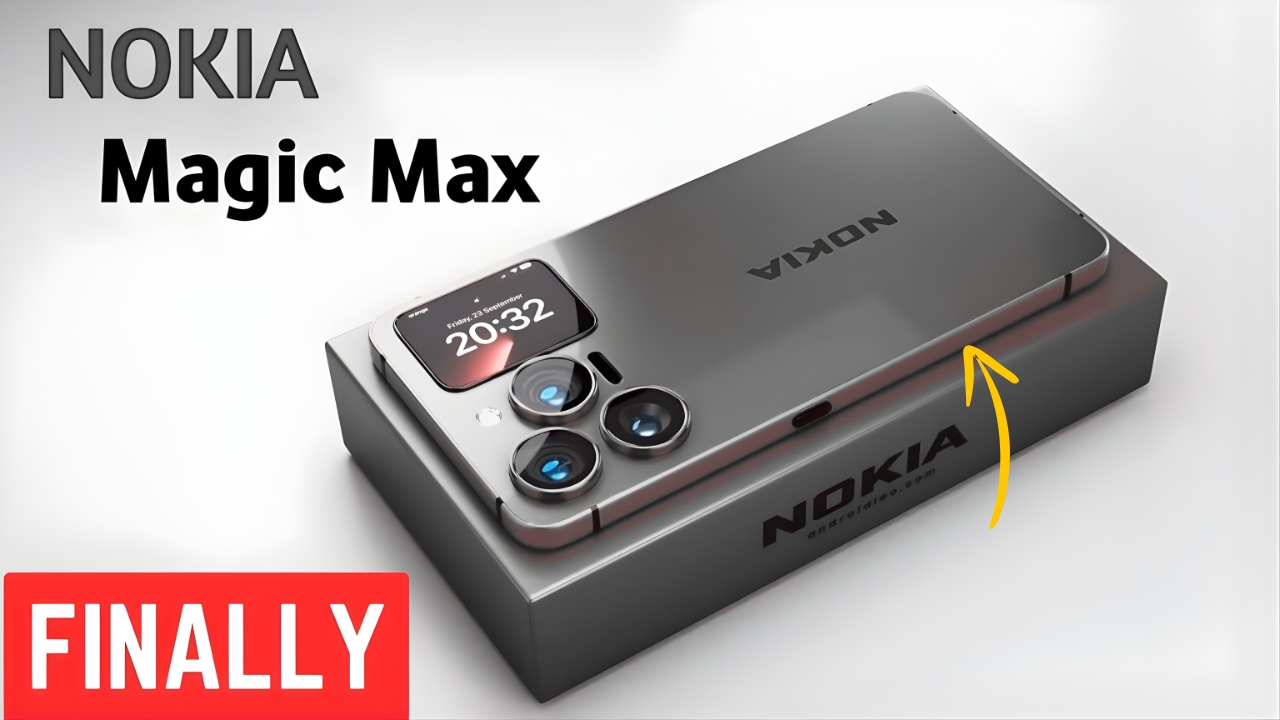
Camera System With Zeiss Magic
Here’s where the Magic Max 5G genuinely separates itself. The 108MP primary sensor with an f/1.8 aperture and OIS is backed by Zeiss optics—the same partnership that made Nokia’s camera phones legendary in the Symbian era.
The large sensor size means excellent light capture, and the optical image stabilization actually works, delivering sharp night photos and smooth videos even while walking.
Daylight photos show natural colour science that doesn’t oversaturate skies or turn grass neon green.
Also Read: Google Pixel 10 Pro Premium high camera quality smartphone in market, storage is 256GB
The 13MP ultrawide camera is decent for the price, though it does soften at the edges—perfectly usable for social media and group shots.
Night Mode leverages the large sensor and OIS to produce surprisingly clean low-light images with proper detail retention.
The 32MP front camera handles selfies and video calls with solid detail, and the punch-hole placement means it doesn’t intrude on content consumption.
Video recording tops out at 1080p@30fps—a slight disappointment in 2026 when competitors push 4K, but the stabilization and audio quality make vlogs genuinely watchable.
Performance That Doesn’t Compromise
Under the hood sits the Qualcomm Snapdragon 8+ Gen 1 chipset—last year’s flagship silicon that still absolutely crushes daily tasks and gaming.
The octa-core CPU clocks up to 3.2 GHz, paired with the Adreno 730 GPU that handles BGMI, Call of Duty Mobile, and Genshin Impact at high settings without thermal throttling.
The 16GB RAM variant (with no virtual RAM gimmick—this is physical LPDDR5) keeps dozens of apps in memory without reloads, and the 256GB UFS 2.2 storage ensures file transfers and app installations happen at flagship speeds.
AnTuTu scores hover around 1.1 million, putting it firmly in flagship territory despite the mid-range price tag.
Also Read: Tata Safari 2026 New 5 star safety rating SUV comes with premium features, design is luxury
The vapour chamber cooling system keeps temperatures in check during extended gaming sessions, and thermal throttling only kicks in after 25-30 minutes of sustained heavy load—impressive for a phone at this price.
Battery and Charging That Respect Your Time
The 5,000 mAh battery easily delivers a full day of heavy usage—think 7-8 hours of screen-on time with mixed browsing, social media, YouTube, and gaming.
Moderate users regularly stretch into day two before needing a charge, which is remarkable given the 120Hz display.
The 67W fast charging is the real star here. Nokia claims 0-100% in 48 minutes, and real-world testing backs this up—you’re looking at about 55% charge in just 20 minutes, perfect for those panic moments when you wake up late.
The charger comes in the box (unlike some brands), and it’s compact enough to carry without bulk.
Software and Connectivity
Running Android 13 out of the box with Nokia’s clean, near-stock UI, the Magic Max 5G avoids the bloatware plague that ruins many budget flagships.
Nokia promises two years of Android updates and three years of security patches—a decent commitment, though not class-leading.
Also Read This : OLA S1 X 2026 New model comes with 242km fabulous range, design is premium
Nokia Magic Max 5G Should You Buy It?
At ₹49,990, the Nokia Magic Max 5G undercuts flagships from Samsung, OnePlus, and Apple while offering 80% of their performance with better build quality and that Zeiss camera magic.
It’s not perfect—the video recording caps at 1080p, and the software update promise could be stronger—but for buyers who want flagship hardware without the flagship price tag, this is the most compelling option of 2026.