Tata Safari 2026 : The Tata Safari has continued to hold its place as one of the most recognisable 7-seater SUVs in India, and 2026 is shaping up to be another important year for the nameplate.
Tata Motors has already expanded the Safari lineup with a petrol option in January 2026, while reports and market listings also point toward an electric version under development.
That means the Safari is no longer limited to its familiar diesel identity, and Tata is clearly preparing the SUV for a wider range of buyers in India.
For many Indian families, the Safari still stands for road presence, comfort, and a premium-feeling cabin, which is why it remains relevant even as the market gets more crowded.
Tata has kept the SUV updated with modern features, strong safety credentials, and multiple trims, helping it stay competitive in the mid-size and large SUV space.
Petrol brings a new audience
One of the biggest Safari stories in 2026 is the arrival of the 1.5-litre Hyperion turbo-petrol engine. The new petrol variant starts at Rs 13.29 lakh and goes up to Rs 25.19 lakh, opening the door for buyers who want the Safari experience without choosing diesel.
For Tata, this is a smart move because petrol SUVs are still a major preference in several urban markets, especially among buyers who want refinement and lower entry pricing.
The petrol model also brings newer tech touches such as a larger touchscreen, Dolby Atmos support, and a JBL sound system in higher variants.
That matters because the Safari now has to compete not only on size and toughness, but also on the in-cabin experience.
Also Read: Oppo K13 5G 120Hz smooth display smartphone comes with 8GB RAM, battery is 7000mAH
In practical terms, the new petrol version makes the Safari more accessible to a broader set of Indian customers, especially those who mainly drive in the city and want a premium 7-seater for family use.
Design and road presence
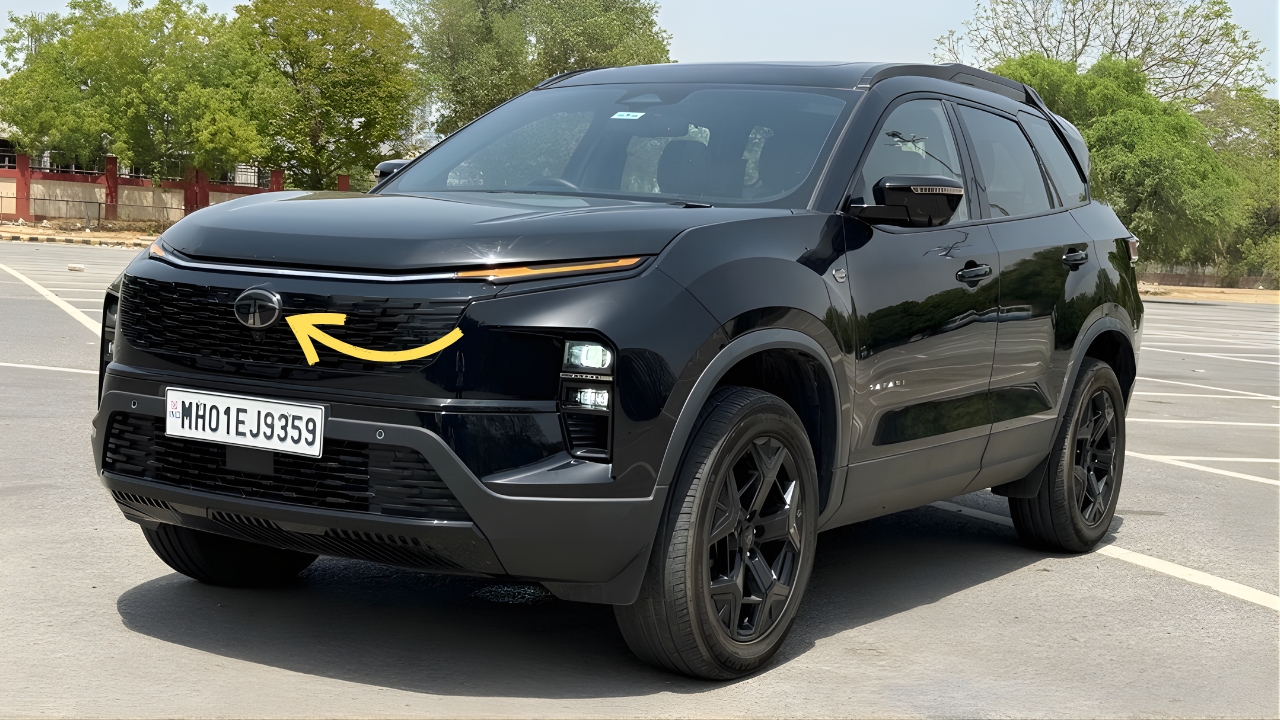
The Safari has always been about presence, and the 2026 model continues that theme with a bold, upright stance and a premium SUV silhouette.
Even without dramatic redesigns, the vehicle still looks purposeful, especially from the front and rear, where Tata’s current design language gives it a modern edge.
Spy-shot reports from 2025 suggested that Tata is also working on future updates under camouflage, which keeps speculation alive about further design evolution.
What works in Safari’s favour is that it does not try too hard to look futuristic. Instead, it leans into a more traditional SUV look, which many Indian buyers still prefer in this segment.
That balance between maturity and modern detailing has helped the Safari remain one of Tata’s most visually distinctive products.
Cabin and features
Inside, the Safari remains one of Tata’s more feature-rich SUVs, with a 12.3-inch touchscreen, a digital driver display, powered front seats, boss mode for the co-driver, and a panoramic sunroof among the highlights.
Also Read: Nokia Magic Max 5G 200MP camera quality smartphone with 512GB storage, look is attractive
The newer petrol version pushes the cabin further with a larger infotainment screen, connected car features, wireless charging, air purifier, ventilated seats, powered tailgate functions, and voice-assisted climate control. These are the kinds of features buyers in this segment now expect as standard, not as a bonus.
The Safari’s biggest interior strength is space. As a 7-seater, it continues to appeal to buyers who need real family utility rather than just a stylish badge.
The second row and third row layout make it suitable for long-distance trips, and that remains one of its strongest selling points in India’s SUV market.
Safety remains a strength
Safety has become one of Tata’s biggest brand assets, and the Safari benefits directly from that reputation. The SUV has a 5-star crash safety rating from both Bharat NCAP and Global NCAP, which gives it a strong edge in a segment where many buyers now actively compare safety scores before making a purchase.
Features such as Level-2 ADAS, a 360-degree camera, and front and rear parking cameras add to its premium and confidence-inspiring character.
This matters because Indian SUV buyers are increasingly looking beyond design and power. They want family safety, highway stability, and advanced assistance features, and Safari checks those boxes well.
In that sense, the SUV has built a clear identity: premium enough for aspirational buyers, but also practical enough for real-world family use.
Electric future ahead
Beyond petrol and diesel, the Safari name may also move toward electrification, with listings and reports pointing to a Safari EV expected in 2026.
Also Read: Skoda kushaq Most popular SUV with 1.0L engine, 5 star safety and ultimate features
Cardekho’s listing suggests a possible launch in May 2026 with an estimated price around Rs 32 lakh, though Tata has not officially confirmed the full specification set yet.
Reported expectations include a range of up to 500 km and many of the same comfort features seen in the regular Safari.
If Tata does bring a Safari EV to market, it could become one of the most important electric SUVs in India’s premium family segment.
It would also strengthen Tata’s position as a serious EV player, especially among buyers who want a large, high-riding, three-row electric SUV.
Tata Safari 2026 What it means for buyers
The 2026 Tata Safari is no longer just a diesel SUV with a famous nameplate. It is becoming a multi-powertrain product with petrol now in the lineup, diesel still available, and an EV on the horizon.
Also Read This : Nokia Magic Max 5G 200MP camera quality smartphone with 512GB storage, look is attractive
That gives Tata far more flexibility in reaching different kinds of Indian buyers, from city users to long-distance family travellers.